
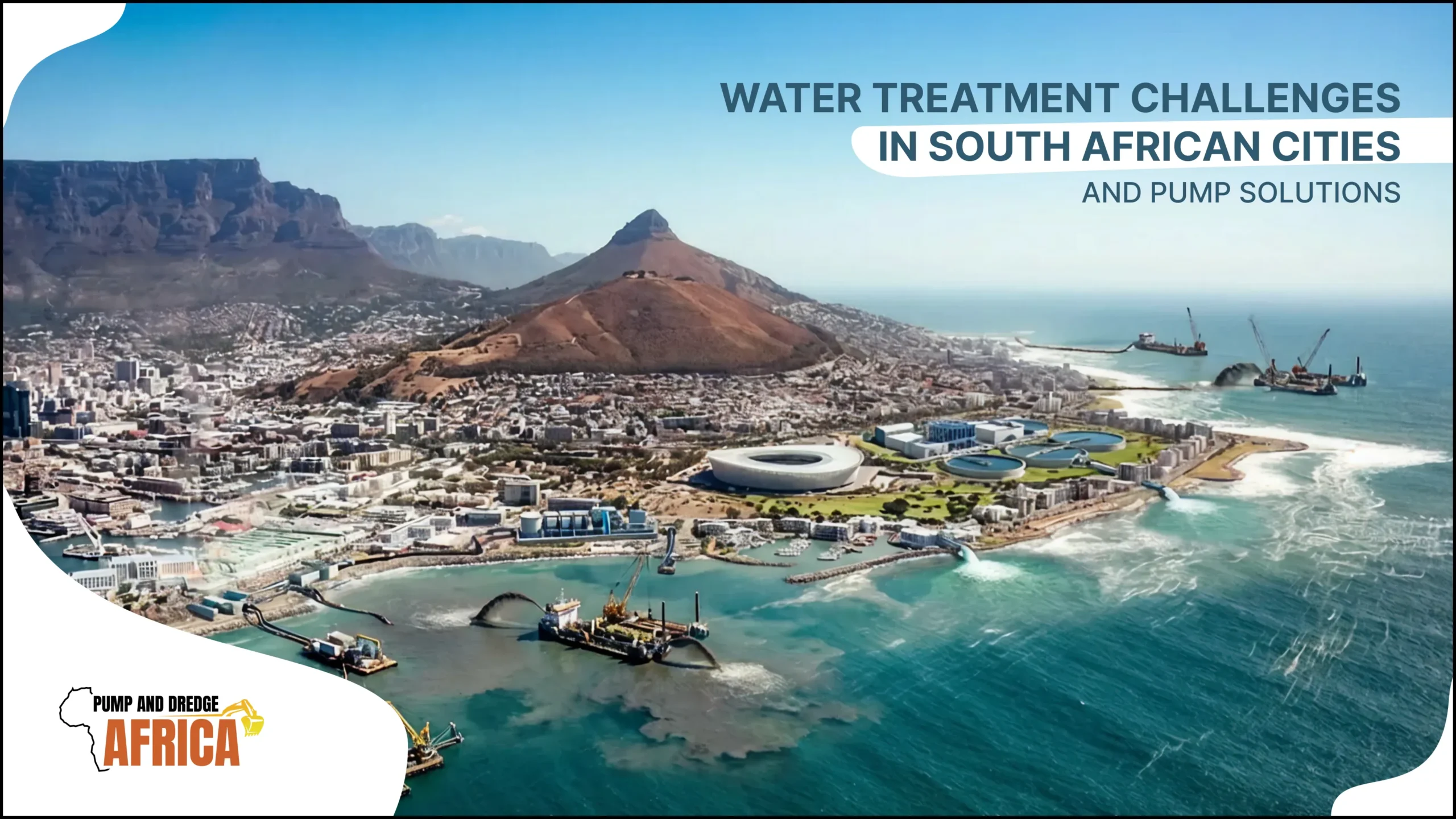
Water treatment plants in South African cities are under steady pressure. Many facilities operate with ageing equipment, inconsistent power supply, and higher volumes of dirty water and sludge than they were originally designed to handle. These conditions create everyday water treatment challenges that are operational, not theoretical. Pumps block, wear out faster than expected, or struggle to restart after outages, resulting in reduced treatment capacity or emergency shutdowns.
In most cases, the issue is not the treatment process itself but how water, sludge, and solids are moved through the system. This is where practical pump solutions become critical. Looking at common conditions across South Africa water treatment projects, this blog focuses on real pumping failure points and the equipment decisions that help plants keep running under difficult site conditions.
Where Treatment Plants Fail First: Mapping High-Risk Pumping Points
In most water treatment plants, pumping problems do not appear suddenly. They show up repeatedly at the same points in the treatment chain. These are the areas where flow conditions change, solids concentration increases, or maintenance access is limited. Understanding these locations helps explain why many water treatment challenges persist even after process upgrades.
Raw Water Intake
Intake pumps deal with fluctuating water levels, debris, and silt, especially during heavy rainfall. In urban South Africa water treatment projects, intakes often see higher sediment loads than expected. Pumps sized for clean water perform poorly when grit and organic matter increase, leading to wear and reduced output.
Screening and Grit Removal Zones
This is where pumps begin to handle abrasive materials. Sand, grit, and fibrous waste cause accelerated impeller and casing wear. Blockages are common if pumps are not designed for solids handling. These issues are one of the earliest signs that pump selection does not match actual site conditions.
Aeration and Intermediate Transfer Stages
Transfer pumps between treatment stages operate continuously and are sensitive to downtime. Power interruptions increase stress on motors, seals, and bearings. Restart failures here can slow down the entire plant, even if upstream treatment is functioning.
Sludge Handling and Thickened Waste Movement
Sludge pumping is one of the most demanding tasks in any treatment plant. Variable density, rags, and settled solids place heavy loads on pumps. Many water treatment challenges originate at this stage because pumps selected for lighter duty cannot cope with real sludge conditions.
Emergency Bypass and Overflow Pumping
During storms, maintenance shutdowns, or pipeline failures, temporary bypass pumping becomes critical. These situations require rapid deployment and reliable pump solutions that can handle contaminated water without frequent intervention.
Across South Africa’s water treatment projects, these high-risk points are consistent. Addressing them starts with matching pump type, materials, and duty cycle to what the plant actually experiences, not what it was designed for on paper.
Why Solids Become the Biggest Hidden Problem in Urban Water Treatment
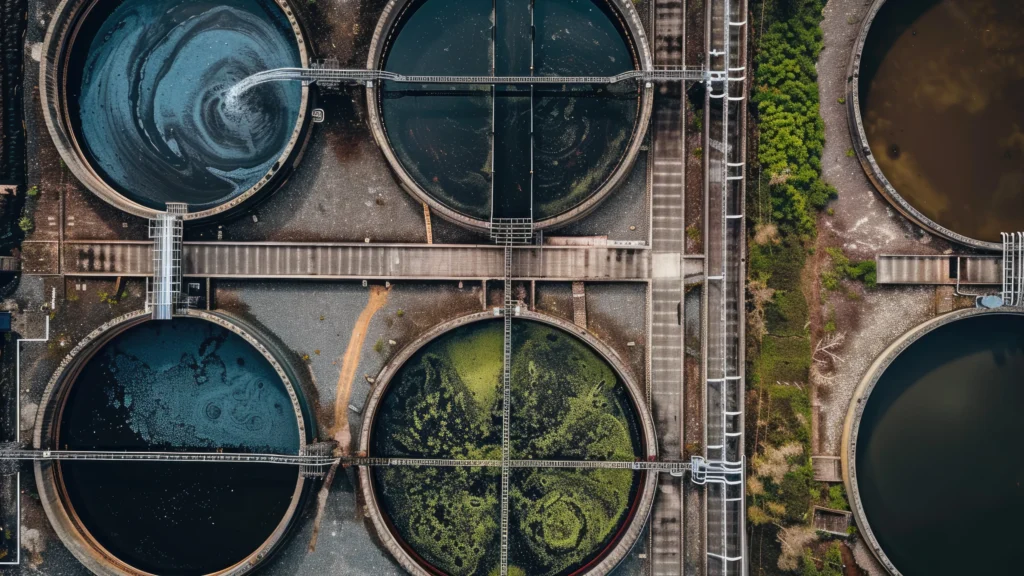
Most water treatment challenges linked to pumping are not caused by flow rate or pressure alone. Solids cause them. Grit, sand, rags, organic waste, and thickened sludge behave very differently from clean water. Yet, many pumps in urban treatment plants are still selected as if they were handling only liquid.
In South African cities, solid content changes daily. During rainfall, inflow carries sand and debris into intakes. In older networks, broken lines and infiltration add unexpected grit. At the back end of the plant, sludge density can vary widely depending on settling time and process control. These variations increase internal wear and raise the risk of blockage.
A common mistake in water treatment projects across South Africa is underestimating the rate at which abrasion damages impellers, liners, and seals. Once clearances increase, pumps lose efficiency, draw more power, and fail more often. Operators typically detect this through frequent maintenance, increased vibration, or reduced flow long before a complete breakdown occurs.
This is where practical pump solutions matter. Pumps designed for slurry and dirty water use wider passages, wear-resistant materials, and solids-tolerant hydraulics. They are not about higher performance on paper but about surviving real operating conditions. When solids handling is addressed correctly, downtime drops and maintenance becomes predictable rather than reactive.
How Power Instability Changes Pump Design and Selection Decisions
Power interruptions are a routine operating condition for many treatment plants, not an exception. Across urban facilities, water treatment challenges increase every time pumps are forced to stop and restart under load. Each restart places stress on motors, seals, bearings, and electrical components, especially when pumps are handling dirty water or sludge.

In many South Africa water treatment projects, pumps are required to restart without manual priming and resume flow quickly once power returns. Systems that rely on constant power or clean suction conditions struggle in these environments. Air ingress, loss of prime, and backflow can prevent pumps from restarting, leading to rising wet wells and process delays.
This is where pump selection needs to account for real operating behaviour, not ideal conditions. Self-priming and submersible pump solutions reduce restart risk because they are less sensitive to suction loss and air pockets. Protection features such as robust seal arrangements and simplified bearing systems also extend service life when stop-start cycles are frequent.
Designing for power instability does not eliminate outages, but it limits their impact. Reliable pump restarts help plants regain control more quickly, prevent overflow, and maintain treatment processes even under unstable grid conditions.
Overflow, Storm Events, and Emergency Bypass Pumping
When heavy rainfall occurs in urban catchments, treatment plants experience sudden inflow spikes that exceed normal operating limits. In these moments, water treatment challenges become operational emergencies. Wet wells rise quickly, screens clog, and existing pumps are forced to operate outside their intended duty range.
Across many South Africa water treatment projects, overflow events are not only linked to extreme weather but also to limited storage capacity and ageing networks. During these conditions, fixed pumping systems are often not enough. Temporary or supplementary pump solutions are required to move excess water, bypass treatment stages during maintenance, or protect downstream assets from flooding.
Emergency bypass pumping places different demands on equipment. Pumps must handle dirty water with high solids content, start quickly, and operate reliably with minimal setup time. Access is often restricted, and suction conditions are poor. Pumps selected only for normal-duty operation struggle in these scenarios, leading to repeated blockages or mechanical failures.
Reliable bypass and dewatering pumps are designed for these exact situations. They prioritise solids handling, ease of deployment, and consistent performance over short but critical operating windows. When planned correctly, emergency pumping reduces the risk of uncontrolled discharge, protects plant infrastructure, and allows operators to stabilise the system before normal treatment resumes.
The Pump Selection Test Procurement Teams Often Miss
Many water treatment challenges continue because pump selection is treated as a specification exercise rather than an operational one. Flow rate and head are calculated; a pump is purchased; and real-site conditions are addressed later through maintenance and workarounds. In urban treatment plants, this approach usually leads to higher lifecycle costs.
Across South Africa, water treatment projects and procurement teams face pressure to balance cost, availability, and performance. The missing step is asking how the pump will behave on bad days, not just during normal operation. This is where practical solutions are identified.
A more reliable selection process starts with site-based questions. What size and type of solids will the pump see during storms? How often will it restart after power loss? Will it run continuously or in short, heavy cycles? Can maintenance be carried out easily with the skills and spares available on site?
When these questions guide selection, pump choice shifts from lowest upfront cost to lowest operational risk. Pumps matched to real conditions fail less often, reduce emergency interventions, and give operators more control during unstable periods. This approach also shortens downtime and improves predictability in maintenance planning.

Pump Solutions for Common Municipal Conditions
Urban treatment plants rarely operate under one fixed condition. Flow rates change, solids concentration varies, and the power supply is inconsistent. Addressing these water treatment challenges requires pump setups that match specific operating scenarios rather than relying on a single general-purpose unit. Across South Africa’s water treatment projects, three situations appear repeatedly.
Sludge and Grit Movement Within Treatment Works
Pumping settled sludge and grit is one of the most demanding tasks in a plant. These materials are abrasive, inconsistent in density, and often contain rags or debris. Standard water pumps wear quickly in this environment. Slurry-capable pump solutions are better suited here because they are built to handle abrasion and solids without frequent blockage. Their value lies in stable operation and predictable maintenance, not higher flow performance.
Emergency Bypass and Flood Response Pumping
During storms or maintenance shutdowns, plants must move large volumes of dirty water fast. Equipment used in these situations must be easy to deploy and able to operate under poor suction conditions. Self-priming and dewatering pumps are commonly used because they can restart reliably and tolerate debris. These pumps reduce response time and help operators regain control during high-risk events.
Lagoon, Pond, and Sediment Management
Sediment buildup in ponds and lagoons reduces capacity and affects overall treatment efficiency. In these cases, pumping is closer to dredging than conventional water transfer. Pumps designed for slurry and sediment movement allow operators to remove accumulated material without extensive civil work. This approach is often used as a practical maintenance strategy in long-running South Africa water treatment projects.
Short Case Example: Stabilising a Failing Urban Pump Station
An urban pump station supporting a municipal treatment plant began experiencing repeated shutdowns during peak inflow periods. Operators reported frequent blockages, rising wet well levels, and pumps that failed to restart after power interruptions. These issues quickly became routine water treatment challenges, especially during rainfall events.
Initial inspections showed that the pumps were sized correctly for flow but not for solids. Grit and fibrous material were accelerating wear and causing partial blockages. Restart failures after outages made the situation worse, forcing manual intervention and increasing downtime.
The response focused on changing the pumping approach rather than adjusting the process. Slurry-capable solutions were introduced for solids-heavy sections, and self-priming units were used for bypass duties. Maintenance access was simplified, and wear components were selected to match abrasive conditions.
Within weeks, restart reliability improved and emergency call-outs reduced. The plant regained control during peak inflow periods, and maintenance became planned rather than reactive. This type of adjustment is common across South Africa water treatment projects, where matching pump design to real conditions often delivers faster results than process changes alone.
Where Pump and Dredge Africa Fits Into Urban Water Treatment Operations
Addressing water treatment challenges requires more than selecting a pump from a catalogue. It involves understanding how equipment behaves once it is exposed to solids, power interruptions, and variable inflow conditions. This is where Pump and Dredge Africa plays a practical role across South Africa’s water treatment projects.
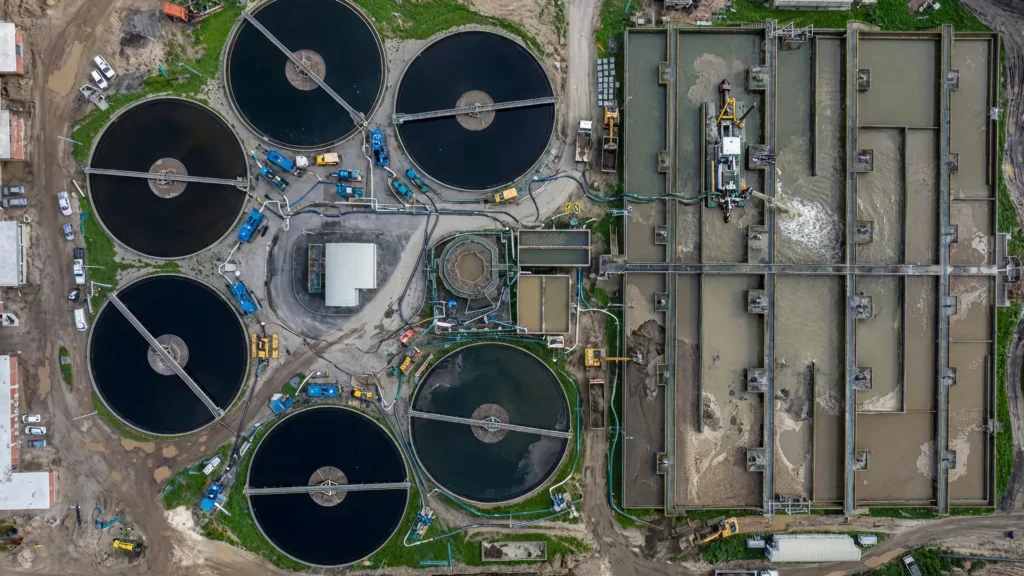
The company supports municipal and industrial treatment facilities with solutions suited to dirty water, sludge, and sediment handling. This includes slurry pumps for abrasive applications, dewatering pumps for emergency and bypass duties, and dredging-oriented systems used for lagoon and pond maintenance. The focus is on matching equipment to operating conditions rather than forcing standard pumps into unsuitable roles.
Beyond equipment supply, Pump and Dredge Africa works with plant operators and project teams to clarify duty requirements, deployment constraints, and maintenance expectations before pumps are selected. This approach helps reduce early failures, improve uptime, and ensure pumping systems remain reliable under real site conditions.
Final Thoughts
Urban treatment facilities face persistent water treatment challenges driven by ageing infrastructure, unstable power supply, and higher solids loads than systems were originally designed to handle. In many cases, these issues surface first at the pumping stage, where equipment is pushed beyond clean-water assumptions.
Across South Africa water treatment projects, stable operations depend on selecting solutions that match real site conditions, not ideal scenarios. Pumps that can handle solids, restart reliably, and support emergency and bypass operations reduce downtime and give operators greater control during high-risk periods.
If your treatment plant is dealing with recurring pumping issues, Pump and Dredge Africa can help assess operating conditions and recommend practical equipment options suited to your application.
Talk to the team to discuss pump setups that support reliable water treatment operations.