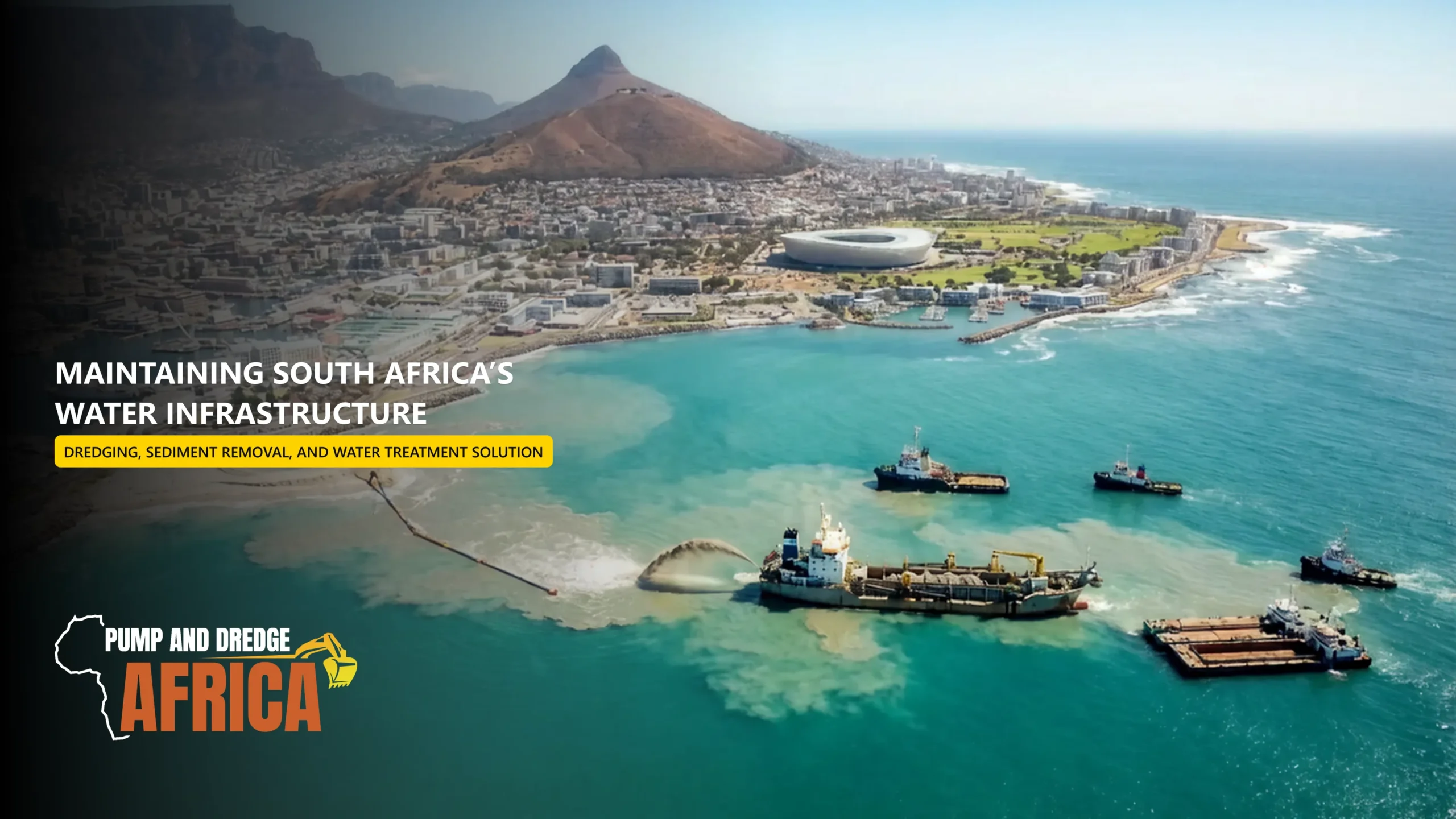
Across South Africa, water infrastructure is under pressure not only from drought and demand growth, but from a quieter and often ignored issue: sediment buildup. Dams are losing storage capacity, canals and rivers are seeing reduced flow efficiency, and water treatment facilities are handling higher solids loads than they were designed for. Over time, this leads to pump failures, higher operating costs, and unstable treatment performance.
This is where South Africa dredging services play a major role in day-to-day infrastructure maintenance. Dredging, sediment removal, and solids-focused water treatment solutions are no longer occasional interventions. They are essential tools within modern industrial water management, helping municipalities, utilities, and industrial operators restore capacity, protect assets, and keep systems operating within design limits.
This blog will walk you through how dredging and sediment control directly support South Africa’s water infrastructure, and how practical, site-driven solutions can deliver measurable operational improvements rather than short-term fixes.
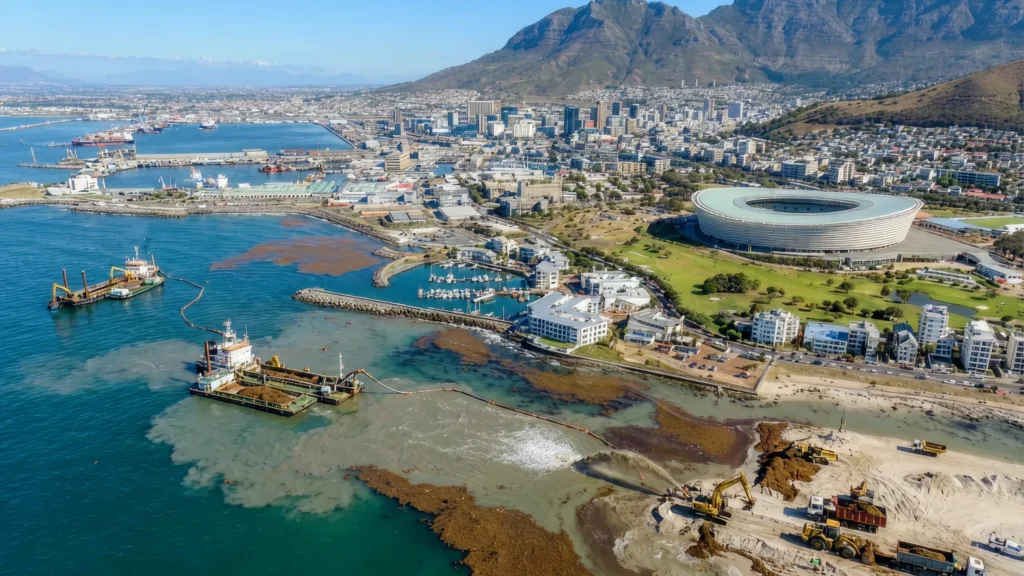
The Sediment Lifecycle in South Africa’s Water Systems: Where Problems Actually Begin
Sediment issues in South Africa’s water infrastructure rarely start at the dam wall or treatment plant. They begin upstream and spread throughout the system, creating multiple operational weak points if not addressed early.
During heavy rainfall and storm events, catchments carry silt, sand, organic matter, and debris into rivers and canals. This material settles first in slow-moving sections such as reservoirs, balancing ponds, and intake zones. Over time, these areas lose effective depth and storage capacity, reducing usable water capacity and increasing the risk of blockages at pump intakes.
As sediment moves further downstream, it begins to affect mechanical and treatment systems. Pumps handling higher solids experience accelerated wear, while pipelines face increased abrasion. Within water treatment facilities, higher sediment loads lead to increased turbidity, higher chemical dosing requirements, and excessive sludge accumulation in clarifiers and lagoons. This directly impacts treatment stability and compliance.
From an industrial water management perspective, sediment should be viewed as a system-wide operational variable, not a localized problem. Effective South Africa dredging services interrupt this sediment lifecycle by removing material at critical points before it compromises pumping efficiency or overwhelms water treatment solutions. Managing solids early reduces downstream failures, lowers operating costs, and extends the working life of existing infrastructure.
Matching South Africa Dredging Services to Different Water Infrastructure Assets
Not all sediment problems require the same approach. In South Africa, the effectiveness of dredging depends on matching the method, equipment, and operating strategy to the specific asset being maintained. Treating all sites the same often leads to incomplete removal, unnecessary downtime, or repeated failures.
In dams and reservoirs, the priority is typically to restore lost storage capacity and protect intake structures. Sediment tends to accumulate in predictable zones where flow velocity drops, making targeted dredging more effective than full-scale excavation. Here, South ‘sAfrica’s dredging services focus on controlled sediment removal to improve water availability without disrupting supply operations.
Rivers, canals, and stormwater channels present a different challenge. Sediment buildup reduces conveyance capacity and increases flood risk, especially during seasonal rainfall. Dredging in these environments is less about volume recovery and more about maintaining hydraulic performance. Continuous or periodic sediment removal helps stabilize flow rates and reduces emergency maintenance events.
In wastewater ponds, lagoons, and treatment reservoirs, sediment removal directly affects treatment efficiency. Excess sludge reduces effective retention time and leads to unstable treatment outcomes. Integrating dredging with a water treatment solution allows facilities to regain process control while avoiding costly plant upgrades.
Across all these assets, industrial water management requires a site-specific dredging strategy that aligns sediment characteristics, access limitations, and operational goals. Selecting the right dredging approach ensures sediment removal delivers long-term performance gains rather than short-term relief.
When Sediment Becomes a Treatment Risk, Not Just a Maintenance Issue
In many South African water and wastewater facilities, sediment accumulation has crossed the line from being a maintenance concern to a direct treatment risk. As solids continue to accumulate, treatment processes become harder to control, and compliance margins narrow.
High sediment loads entering water treatment plants increase turbidity and require higher chemical dosing to maintain output quality. This raises operating costs and places additional strain on filtration systems. In wastewater treatment works, excessive sludge in ponds and clarifiers reduces effective volume and disrupts settling behavior, leading to carryover and inconsistent effluent quality.

These issues are often addressed reactively, only after treatment performance drops or equipment fails. However, from an industrial water management standpoint, sediment control should be built into routine operations. Proactive dredging and solids removal stabilize inflow conditions and allow the water treatment solution to operate within its intended design ranges.
This is where well-planned South African dredging services support compliance as much as they support capacity. By removing sediment and sludge before it overwhelms treatment systems, facilities can extend asset life, reduce unplanned shutdowns, and maintain consistent treatment performance without major capital expansion.
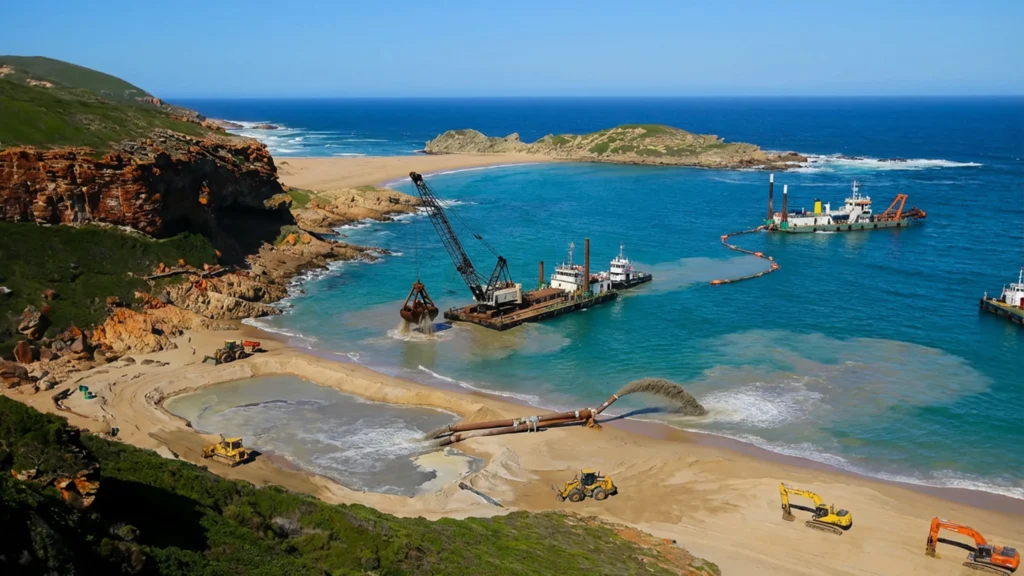
Practical Sediment Removal and Pumping Solutions That Work on South African Sites
Sediment removal only delivers results when the equipment and operating method are suited to local site conditions. In South Africa, water infrastructure often features high solids content, variable debris, and limited access, making standard pumping solutions unreliable.
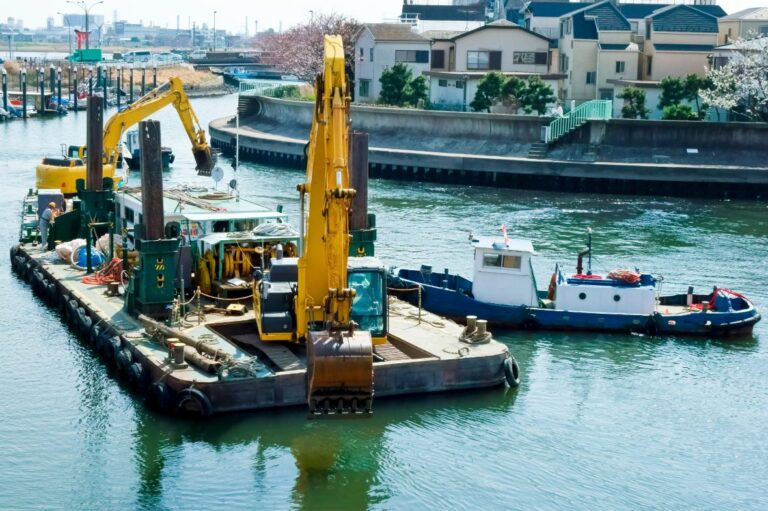
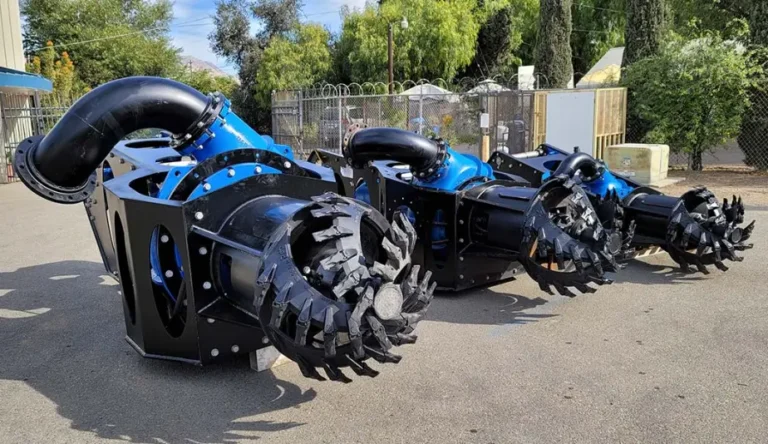
Mechanical dredging and dredge–pump–based systems are commonly used when sediment must be removed without draining reservoirs or shutting down operations. These systems allow controlled removal of silt, sand, and sludge while keeping water assets operational. For many applications, dredge pumps designed for high-solids concentrations reduce clogging and maintain stable flow rates, even when material consistency varies.
Pumping and transport of dredged material are equally critical. Moving sediment over long distances or elevation changes requires pumps built for abrasive handling. When incorrect pumps are used, wear rates increase and downtime becomes frequent. Integrating sediment removal with dewatering or dirty-water transfer improves efficiency and reduces the footprint of maintenance activities.
From an industrial water management perspective, the focus should be on solutions that handle solids first, not just flow volume. Reliable South Africa dredging services pair the right dredging approach with sturdy pumping systems so that sediment removal supports long-term water treatment solutions rather than creating additional operational problems.
Turning Equipment Into Outcomes: How Pump & Dredge Africa Supports Sediment Management Projects
Effective sediment management is not just about having dredging equipment on site. It is about selecting, configuring, and supporting the right systems so they deliver predictable results under real operating conditions. This is where Pump & Dredge Africa’s role extends beyond supply into project-level support.
Pump & Dredge Africa works with municipalities, contractors, and industrial operators to align equipment selection with sediment type, solids concentration, discharge distance, and access constraints. This reduces the risk of underperforming pumps, excessive wear, and unplanned stoppages. For dredging and dewatering projects, correctly matched equipment shortens project timelines and improves reliability from the first deployment.
As part of South Africa dredging services, the company supports applications ranging from dam sediment removal and canal maintenance to sludge handling within water treatment facilities. By focusing on high-solids pumping and durable dredge systems, Pump & Dredge Africa helps operators integrate sediment removal into ongoing industrial water management plans rather than treating it as a one-off intervention.
This approach ensures that water treatment solutions remain stable after dredging is completed, delivering operational improvements that last beyond the immediate maintenance window.
A Site-Driven Decision Framework for Dredging and Sediment Removal
One of the most common reasons dredging projects underperform is that decisions are made on equipment availability rather than site conditions. In South Africa, sediment characteristics, access limitations, and operating constraints vary widely, which makes a site-driven approach essential.
The first consideration is sediment type and consistency. Fine silt, compacted sand, and biological sludge behave very differently during removal and transport. Understanding solids concentration and particle size helps determine whether mechanical dredging, dredge pumps, or a combined approach is required. This step alone can prevent frequent blockages and excessive wear.
The second factor is operational risk. Active water supply systems, treatment plants, and canals often cannot be taken offline. In these cases, South Africa dredging services must be planned to work around live operations, using methods that allow continuous flow while sediment is removed.
Discharge distance and material handling are equally critical. Moving sediment over long distances or elevation changes requires pumping systems designed for abrasion and variable loads. Without this, sediment removal may succeed at the source but fail during transport.
From an industrial water management perspective, this framework shifts dredging from a reactive task to a controlled maintenance process. When decisions are based on site realities, dredging directly supports long-term water treatment solutions instead of introducing new operational challenges.
Measuring Success: What Effective Sediment Management Looks Like in Practice
Sediment removal projects are often judged by how quickly material is taken out, but speed alone does not define success. In South Africa’s water infrastructure, the effectiveness of sediment management is measured by operational stability after completion.
A successful dredging intervention restores usable capacity in dams, canals, or treatment ponds without increasing downstream maintenance. Pumps operate within expected wear limits, intake blockages decrease, and flow rates remain consistent during peak demand periods. In treatment facilities, reduced solids loading leads to more predictable settling, lower chemical consumption, and fewer process upsets.
For municipalities and industrial operators, these outcomes translate into fewer emergency repairs and improved asset availability. This is where properly executed South Africa dredging services show their value, not as short-term fixes, but as part of routine industrial water management.
When dredging is aligned with plant operations and supported by appropriate pumping systems, water treatment solutions continue to perform reliably long after sediment removal. Measuring these post-project indicators helps ensure that sediment management investments deliver lasting operational and financial benefits.
Moving From Reactive Cleanups to Planned Infrastructure Maintenance
Many sediment-related interventions in South Africa still occur only after failures. Pumps clog, storage capacity declines, or treatment quality deteriorates, prompting dredging as an emergency response. While this restores short-term function, it rarely addresses the underlying sediment cycle.
A planned maintenance approach treats sediment removal as part of normal asset management. Scheduled inspections, sediment surveys, and targeted dredging reduce the likelihood of sudden breakdowns. This allows operators to budget accurately, minimize service interruptions, and align dredging activities with operational windows rather than crisis conditions.
Within this model, South Africa dredging services support long-term system reliability rather than one-off recovery. When combined with appropriate pumping configurations and ongoing monitoring, dredging becomes a predictable maintenance activity instead of a disruptive event.
For utilities and industries focused on industrial water management, this shift is critical. Planned sediment control supports consistent water treatment solutions, protects infrastructure investment, and reduces the total cost of ownership across the water system.
Conclusion: Building Reliable Water Systems Through Consistent Sediment Control
Maintaining South Africa’s water infrastructure requires more than expanding capacity or upgrading treatment technology. It requires controlling the sediment that steadily reduces system performance across dams, canals, and treatment facilities. When sediment is left unmanaged, it increases operating costs, shortens equipment life, and undermines treatment reliability.
By integrating South Africa dredging services into routine industrial water management, operators can restore capacity, protect pumps and pipelines, and stabilize water treatment solutions without major capital expansion. The key is to select site-appropriate dredging and pumping systems and apply them as part of a planned maintenance strategy.Pump & Dredge Africa supports this approach by helping utilities, contractors, and industrial operators match equipment to real operating conditions. With the right tools and planning, sediment control becomes a practical, measurable way to extend asset life and keep South Africa’s water systems functioning as designed.